Crochet Fingerless Heart Gloves: Easy Free Pattern
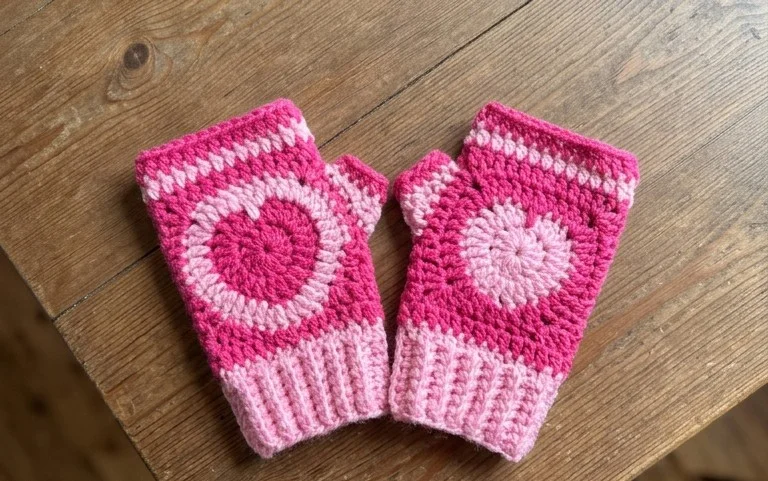
These fingerless gloves feature a subtle heart motif that adds a sweet touch to any cold-weather outfit without feeling overdone. Soft cotton or wool blends make these feel cozy against your skin, and the thumb hole construction provides comfort for daily tasks like typing or using your phone. Whether you are crafting a thoughtful handmade gift or just adding a personal detail to your own winter wardrobe, this design is approachable for those who know basic stitches. You will learn how to transition between rows while keeping tension even for a polished final look.
Why This Project Is Worth Making
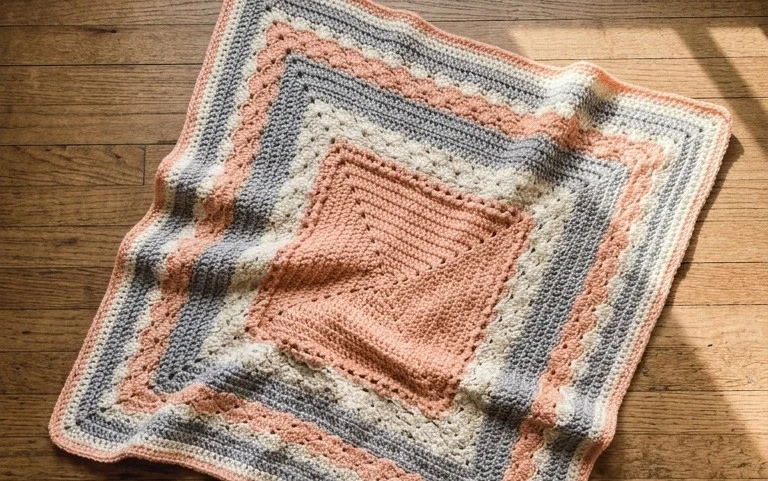
This simple cotton dishcloth project relies on the classic moss stitch, creating a durable, textured fabric that is ideal for scrubbing dishes. Because it uses a repetitive sequence of chains and single crochets, it is highly portable and perfect for working on while traveling or relaxing in the evening. The structure is naturally dense yet flexible, meaning it holds soap suds well and rinses clean without trapping food particles. You can complete a finished cloth in under two hours, making this an ideal choice for last-minute housewarming gifts or replenishing your own kitchen supplies.
I managed to finish this pattern in one sitting. The moss stitch pattern is very easy to memorize and creates a really sturdy fabric that actually feels useful in the kitchen.
— Sarah, home crafter
Pattern Overview & Skill Level
- Skill Level: Beginner
- Approximate Time: 1 to 2 hours
- Construction: Flat panel worked in rows
- Finished Dimensions: 8 inches by 8 inches
Materials & Supplies Needed
- Yarn: Worsted weight (#4), 100% cotton, approximately 75 yards per dishcloth. Cotton is necessary for heat resistance and absorbency.
- Hook Size: 5.0 mm (H-8).
- Notions: Tapestry needle for weaving in ends, scissors.
- Safe yarn substitutions: Use a cotton-linen blend for increased durability. Avoid acrylic yarns, as they are not absorbent and will melt if they touch a hot pan.
Stitch Guide & Abbreviations (US Terms)
- ch: Chain
- sc: Single crochet
- sk: Skip
- st(s): Stitch(es)
- Moss Stitch: A pattern of alternating single crochet and chain stitches, specifically (sc, ch 1, sk 1 st).
Step-by-Step Pattern Instructions
Dishcloth Base
The foundation chain must be an even number to ensure the moss stitch aligns correctly.
- Foundation: Ch 32.
- Row 1: Sc in 4th ch from hook, *ch 1, sk 1 ch, sc in next ch; repeat from * across until 1 st remains, sc in last ch. (30 sts including ch-spaces)
- Row 2: Ch 2, turn. Sc in first ch-1 space, *ch 1, sk 1 sc, sc in next ch-1 space; repeat from * across, ending with sc in the turning chain space. (30 sts)
- Rows 3–30: Repeat Row 2 until the piece measures 8 inches in height.
- Finishing: Fasten off, leaving a 6-inch tail. Weave in all loose ends securely through the back of the stitches to prevent fraying during wash cycles.
Care & Washing Instructions
- Machine wash on a warm setting with similar colors to prevent dye transfer.
- Tumble dry on low heat or lay flat on a drying rack to maintain the shape of the square.
- Avoid using fabric softener, as it leaves a waxy residue on cotton that reduces its ability to absorb water.
Pro Tips & Common Mistakes to Avoid
Keep your tension consistent, especially on the chain stitches. If your chains are too tight, the fabric will pull inward and lose its square shape. Use a stitch marker on the first stitch of every row to ensure you do not accidentally drop stitches at the edges, which is the most common error for beginners. When weaving in your ends, run the needle through the center of the stitches rather than around the edges to hide the yarn tails completely. If you wish to make the dishcloth larger, simply add stitches in multiples of two to your foundation chain, keeping in mind that this will require more yardage.
Frequently Asked Questions
Can I use a different weight of yarn for this pattern?
Yes, but changing the yarn weight will significantly alter the size of the final product. A lighter weight yarn like DK will result in a smaller cloth, while a heavier yarn like bulky will create a thicker, larger scrubby. Adjust your hook size according to the yarn label to maintain appropriate drape.
Why does my rectangle look like a trapezoid?
A slanted edge usually indicates that you are accidentally adding or skipping stitches at the beginning or end of your rows. Always count your stitches at the end of every row to ensure you still have the same number you started with.
Is this pattern suitable for selling at craft fairs?
You are welcome to sell finished items made from this pattern. I only ask that you credit the original design and use your own photographs when listing your items online.
What is the best way to block this project?
Blocking is not strictly necessary for utility items, but if you want perfectly square corners, soak the finished cloth in cool water, squeeze out the excess moisture, and pin it to a foam mat in an 8-inch square shape. Let it dry completely before removing the pins.
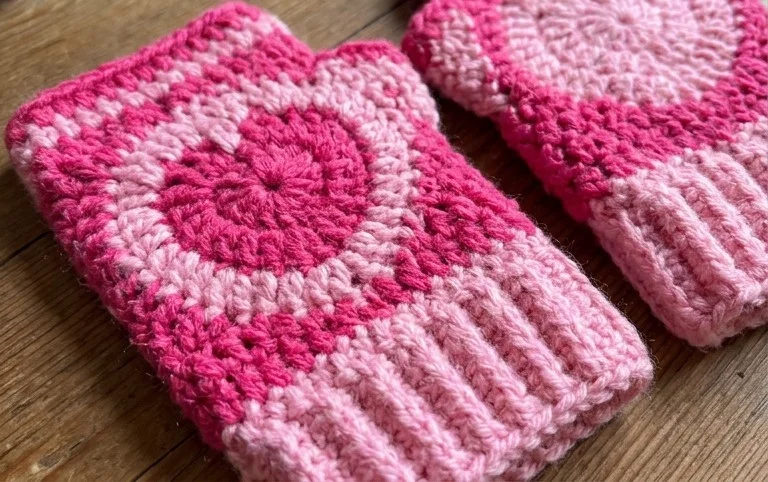
Your new fingerless gloves provide a stylish and functional layer of warmth for chilly mornings. Experiment with a wool-alpaca blend for extra softness or switch the heart color to a bold contrasting red to make the motif stand out. Tag your finished project on social media so others can see your unique color choices. If you enjoyed this build, check out the other free crochet tutorials on my blog for more seasonal accessories and home items to help you grow your collection of handmade goods.