11 Easy Knitted Dog Sweater Patterns for Every Breed
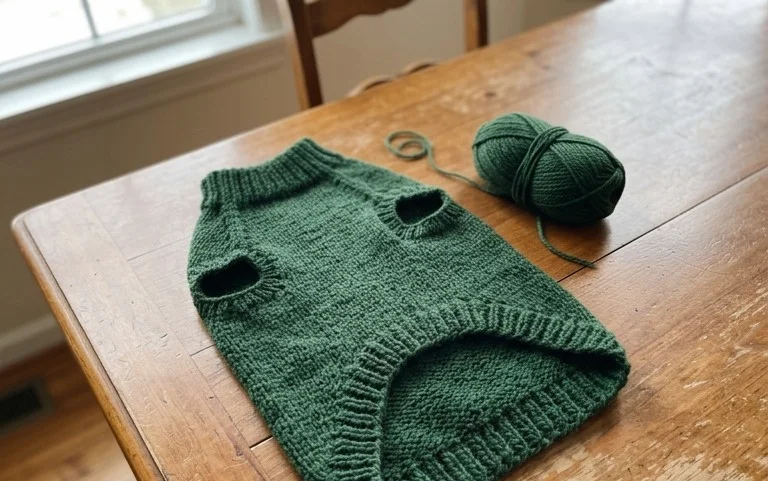
Cold mornings often leave short-haired dogs shivering, but a hand-knitted sweater provides a soft, insulating layer that keeps them cozy during neighborhood walks. These eleven designs offer a variety of styles ranging from simple ribbed pullovers to warm cable-knit coats, fitting everything from tiny terriers to large retrievers. You will find that working with wool blends creates a stretchy, durable garment that moves comfortably with your pet. Mastering these patterns helps you understand how to shape necklines and leg openings, giving you the confidence to customize fits for unique body types while building your skills one row at a time.
Why You’ll Love This Pattern
This classic crochet dishcloth relies on the durable properties of 100% cotton yarn to create a textured, absorbent surface that stands up to daily kitchen use. The pattern utilizes a simple alternating stitch sequence that creates a dense fabric without being too heavy or stiff. Because it works up quickly in under two hours, it is a practical choice for clearing out partial skeins of yarn from your stash. The resulting square serves as a reliable tool for washing dishes or wiping down counters while retaining its shape through frequent wash cycles.
I managed to finish three of these over the weekend using leftover cotton yarn, and they hold up much better than the store-bought sponges I usually buy.
— Sarah, home crafter
Pattern Overview & Skill Level
- Skill Level: Beginner
- Approximate Time: 1.5 to 2 hours
- Construction: Worked in flat rows, turning at the end of each row
- Finished Dimensions & Sizing: 8 inches by 8 inches square
Materials & Supplies Needed
- Yarn: Worsted weight (#4) 100% cotton yarn, approximately 60 yards per dishcloth.
- Hook Size: 5.0 mm (H-8) crochet hook.
- Notions: Tapestry needle for weaving in ends, scissors.
- Yarn Substitutions: Use any 100% cotton or cotton-linen blend. Avoid acrylic or wool, as these fibers lack the absorbency and heat resistance required for kitchen use. Using a thicker yarn will increase the finished size and create a more rigid fabric.
Stitch Guide & Abbreviations (US Terms)
- ch: chain
- sc: single crochet
- dc: double crochet
- st(s): stitch(es)
- sl st: slip stitch
- turn: turn your work to the opposite side to begin the next row
- sk: skip the indicated stitch
Step-by-Step Pattern Instructions
This dishcloth is worked in a series of rows. The combination of single crochet and double crochet creates a balanced texture that is soft on hands but effective for scrubbing.
- Foundation: Ch 27.
- Row 1: Sc in the second ch from the hook, dc in the next ch. Repeat the (sc, dc) pattern across until you reach the end of the chain. You will end with a dc in the last chain. (26 sts)
- Row 2: Ch 1, turn. Sc in the first dc, dc in the next sc. Continue repeating (sc, dc) across the row. The final stitch of the row should be a dc. (26 sts)
- Rows 3–24: Repeat Row 2 until the piece measures 8 inches square or until you reach your desired length.
- Finishing: Fasten off the yarn, leaving a 6-inch tail. Use a tapestry needle to weave the end through the back loops of the last row to secure it invisibly. Repeat for the starting tail.
Care & Washing Instructions
- Machine wash in warm water on a gentle cycle to remove oils and food residue.
- Tumble dry on low heat or lay flat on a drying rack to prevent excessive shrinking.
- Reshape the dishcloth while damp if the corners begin to curl after drying.
Pro Tips & Common Mistakes to Avoid
Maintaining consistent tension is the most important factor for a uniform cloth. If your stitches look too loose or gap significantly, try going down one hook size. Beginners often accidentally skip the final stitch of a row, which causes the edges to slant; use a stitch marker in the first and last stitch of each row to keep your edges straight. Weave in your ends by traveling through at least three inches of fabric in different directions to ensure the yarn does not unravel during heavy scrubbing. To adjust the size, simply add or subtract chains in multiples of two for your starting foundation.
Frequently Asked Questions
Can I use a larger hook for this pattern?
Yes, using a larger hook will make the fabric drape more and work up faster, but it will also result in larger gaps between stitches, which might make the cloth less effective for scrubbing stubborn food bits.
Is this pattern suitable for someone who has never crocheted before?
This is an ideal project for beginners because it uses only two basic stitches and requires no complex shaping or color changes, allowing you to focus entirely on learning how to maintain even tension.
How do I modify the size of the square?
To make the dishcloth larger or smaller, increase or decrease your initial chain by multiples of two. Keep in mind that a significantly larger cloth will require more than the suggested 60 yards of yarn.
Am I allowed to sell the finished items made from this pattern?
You are welcome to sell finished products made from this pattern. Please use your own photographs and provide credit to this site as the original designer when listing your items online.
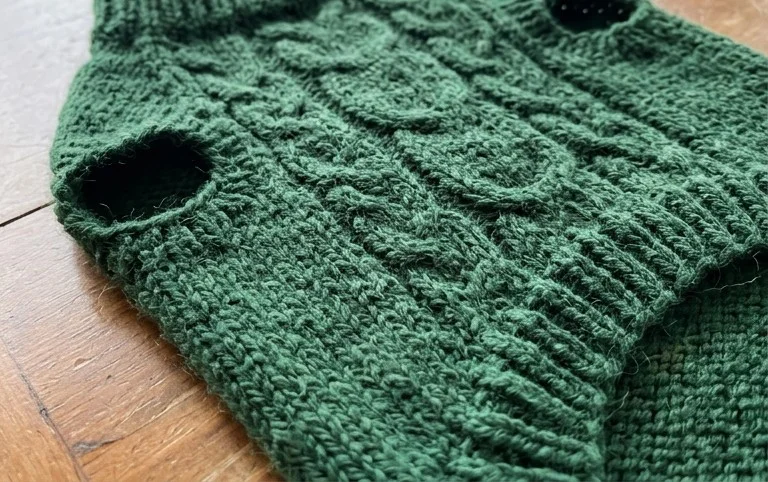
Watching your dog trot around in a handmade garment brings a genuine sense of accomplishment that store-bought accessories simply cannot match. You might experiment with variegated yarn for a playful look or add reflective thread to keep your pup visible during evening strolls. Posting a photo of your finished work helps other makers see how these patterns translate into different sizes and breeds. If you enjoyed this project, browse our library for more free knitting resources to fill your winter afternoons with creative, productive time.