Easy Crochet Dishcloth Pattern for a Sturdy Cotton Square
A firm cotton dishcloth feels pleasantly textured in your hand and sits neatly beside the sink, ready for wiping counters or washing dishes. This small square is worked in single crochet rows, so beginners can practice steady tension and even edges without juggling several stitches. It also suits gift makers who want a useful handmade item to tuck into a kitchen hamper, and home decor lovers can choose cotton colors that match their space. The pattern uses a simple turned-row construction, with no seam or separate border to finish. You’ll learn how to keep the sides straight, check your gauge, and weave in the yarn tails for a cloth that holds together through regular washing. Most crocheters can finish it in an evening, and a second shade gives the final rows a tidy stripe.
Why You’ll Love This Pattern
A firm cotton crochet dishcloth is useful at the sink, easy to wash, and small enough to finish in an evening. This beginner-friendly pattern uses single crochet in straight rows, so you can focus on keeping the edges even rather than learning several new stitches.
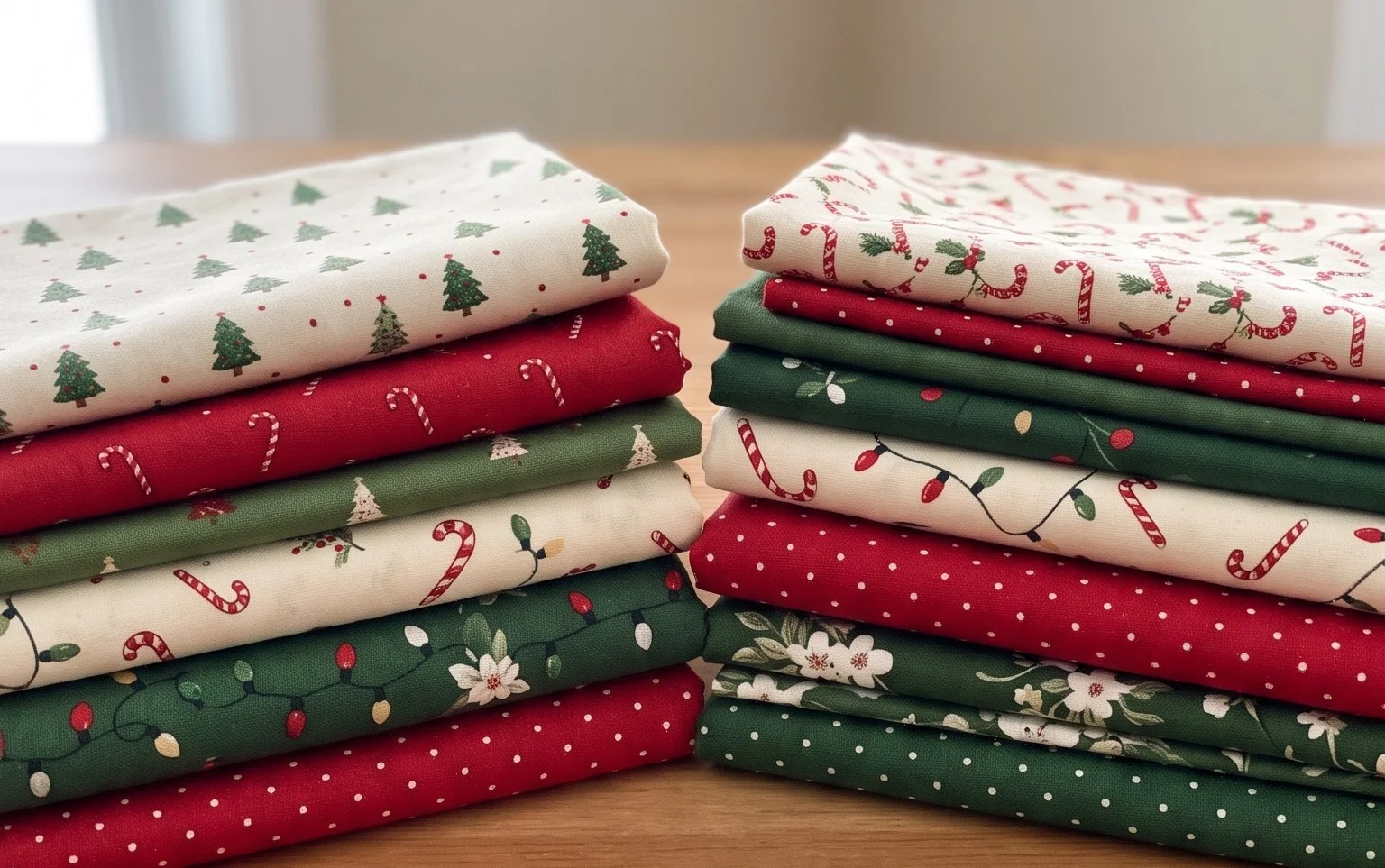
The simple texture works well with one solid color or leftover cotton in a second shade for the final rows. At about 7½ inches square, the cloth is comfortable to hold and has enough fabric for wiping counters and washing dishes. Cotton also absorbs water and tolerates frequent laundering better than many soft acrylic yarns.
The rows were easy to count, and the cotton made a sturdy cloth that washed well after its first use.
— Maya, home crocheter
Pattern Overview & Skill Level
- Skill Level: Beginner. You need to chain and make single crochet stitches.
- Approximate Time: 2–3 hours, depending on your pace and tension.
- Construction: Work a flat square in turned rows, then weave in the starting and ending tails. There is no seam or separate border.
- Finished Dimensions & Sizing: Approximately 7½ × 7½ inches (19 × 19 cm) at the gauge below. Small differences in tension will change the finished size.
For gauge, make a swatch of 16 single crochet stitches across and 16 rows tall. It should measure about 4 × 4 inches (10 × 10 cm) after washing and drying. The pattern is forgiving for a dishcloth, but a very loose fabric may be less useful for scrubbing.
Materials & Supplies Needed
- Yarn: About 75 yards (69 m) of worsted-weight (#4) 100% cotton yarn. One solid color is enough; a contrasting shade can be used for the last few rows.
- Hook: 5.0 mm / H-8 crochet hook. Change hook size if needed to match gauge and make a firm, flexible fabric.
- Notions: Tapestry needle for weaving in ends, scissors, and a ruler or tape measure. A stitch marker is optional for marking the first or last stitch of a row.
- Substitutions: A similar-weight cotton or cotton-linen yarn is suitable. A thinner yarn makes a smaller, lighter cloth; a thicker yarn makes a larger, denser cloth and uses more yardage. Avoid delicate fibers that need special washing for a frequently used kitchen cloth.
Stitch Guide & Abbreviations (US Terms)
- ch: Chain.
- sc: Single crochet. Insert the hook in the indicated stitch, yarn over and pull up a loop, then yarn over and pull through both loops on the hook.
- st(s): Stitch(es).
- rep: Repeat.
- turn: Rotate the work to begin the next row on the opposite side.
The turning chain does not count as a stitch. Work the first single crochet of each row into the first stitch, not into the turning chain. This keeps the side edges straight and maintains the 30-stitch count.
Step-by-Step Pattern Instructions
Dishcloth
- Foundation: Ch 31. The foundation chain gives you 30 stitches to work into.
- Row 1: Sc in the second ch from the hook and in each ch across. Turn. (30 sts)
- Row 2: Ch 1, sc in each st across. Turn. (30 sts)
- Rows 3–30: Rep Row 2 for 28 more rows, keeping 30 sc in every row. Turn after each row except Row 30. (30 sts per row)
After Row 30, check that the cloth is close to square. If your gauge matched the swatch, it should measure about 7½ inches on each side. A small difference is normal; use the finished cloth as made rather than adding rows if the length already matches the width.
Finishing
Cut the yarn, leaving a tail of about 6 inches (15 cm), and pull it through the last loop to secure it. Thread the tail onto a tapestry needle and weave it through several stitches along the edge, then change direction and weave through a few more. Repeat with the starting tail. Avoid pulling the edge tight, which can make the square pucker. Wash and dry the cloth before first use to remove any handling residue and let the cotton settle.
Care & Washing Instructions
- Wash cotton in warm water, up to about 40°C (104°F), with similar kitchen linens; follow the yarn label if it gives a lower temperature.
- Tumble dry on low or lay flat to dry; high heat can shrink cotton.
- While damp, smooth the cloth into a square and gently reshape the corners; blocking is optional for this practical project.
Pro Tips & Common Mistakes to Avoid
- Keep your tension even, especially along the foundation chain. If that edge is much tighter than the rows, use a hook one size larger for the chain only.
- Count the stitches at the end of each row. Accidentally skipping the last stitch is a common reason a dishcloth becomes narrower at one side.
- Use a stitch marker in the first or last stitch if the row edges are hard to see. Move it up as you work so you do not crochet into the turning chain by mistake.
- Weave in each end in more than one direction without drawing the fabric together. For a larger cloth, add an equal number of rows and starting chains to preserve the square shape; a larger piece will take more yarn in proportion to its area.
Frequently Asked Questions
Can I use acrylic yarn instead of cotton?
You can, but acrylic generally absorbs less water and may feel warmer or less sturdy at the sink. Check the care label and expect the cloth’s texture and usefulness to differ from a cotton version.
How can I make the dishcloth larger or smaller?
For a wider cloth, chain more stitches, then work one fewer single crochet than the number of chains. Add or remove rows to match the width. Keep the row count and stitch count close to equal for a square, and allow extra yarn for a larger cloth.
Is this pattern suitable for a first crochet project?
Yes. It uses only chains and single crochet worked in straight rows. The main practice is identifying the first and last stitch in each row so the edges stay even.
May I sell dishcloths made from this pattern?
Check the designer’s terms before selling finished items, and follow any requirements for credit or small-scale sales. The yarn label may also include relevant care information to pass along to buyers.
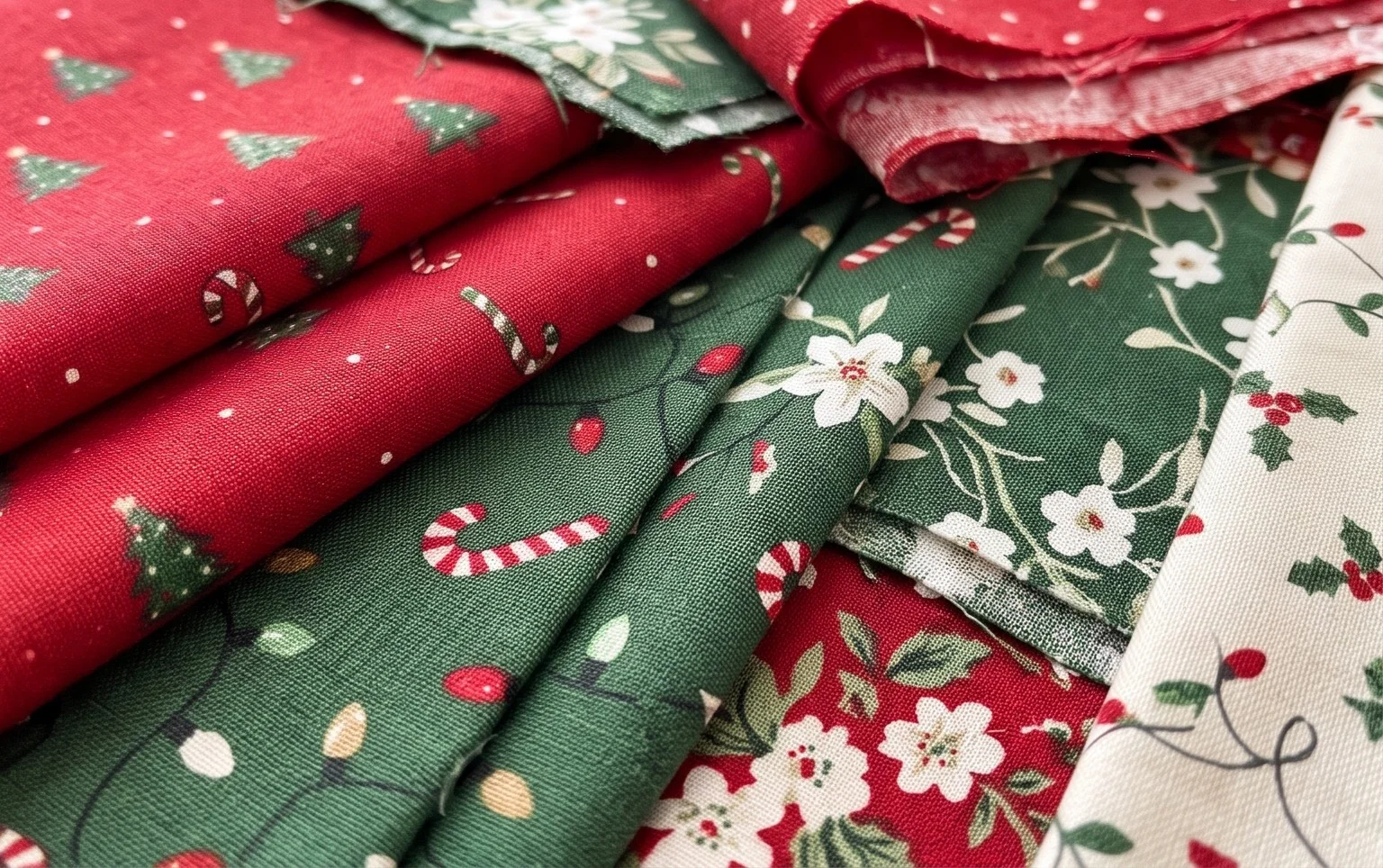
Your finished cotton dishcloth is a practical little square, with a firm texture that feels ready for everyday kitchen work. Try making the next one in a larger size by adding a few stitches and rows, or use a contrasting shade for the last rows. Wash and dry it before putting it to use, since cotton can settle slightly after its first laundering. If you make one, share a photo on Pinterest or your favorite social media page so other crocheters can see your color choices. Then explore more free crochet patterns on the blog for another useful project to keep your hook busy.