Crochet Bat Amigurumi: Easy Free Patterns & DIY Guide
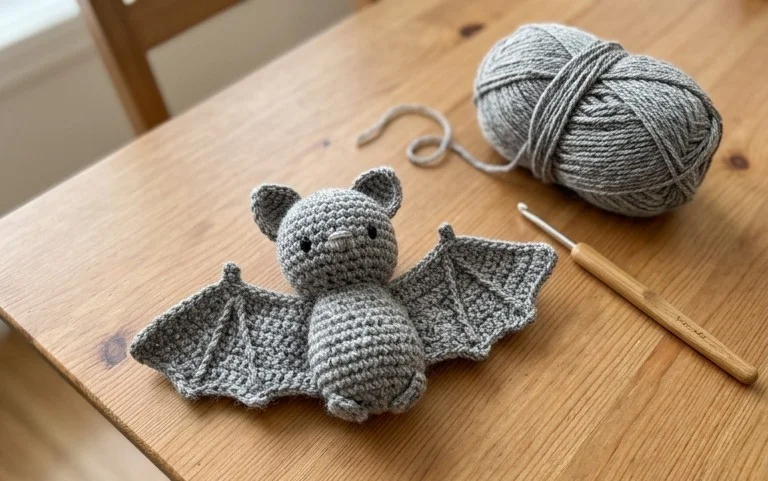
Soft velvet yarn makes these little creatures feel like a cozy cloud, providing a squishy texture that fits right in the palm of your hand. Making these winged friends is a fantastic way to practice working in the round, as the project relies on simple increases and decreases to shape the body and ears. Whether you want to add a spooky touch to your shelves during October or need a quick handmade gift for a friend who likes gothic accessories, these figures come together in just a couple of hours. You will learn how to attach secure limbs and embroider tiny features without needing any advanced tools or extra supplies.
Why You’ll Love This Pattern
This classic crochet dishcloth is designed with a durable texture that performs well in the kitchen. It utilizes the thermal properties of 100% cotton yarn, making it highly absorbent and heat resistant for handling warm pots. You will find that this pattern works up quickly, usually within a single evening, which makes it an ideal project for clearing out small remnants of cotton yarn from your stash. The simple repeating stitch pattern creates a dense fabric that holds its shape through repeated laundering, while the soft texture remains gentle on glassware and non-stick surfaces.
I managed to finish three of these over the weekend and they are so much sturdier than the ones I buy at the store. The texture scrubs dishes clean without scratching the finish on my pans.
— Sarah, home cook
Pattern Overview & Skill Level
- Skill Level: Beginner
- Approximate Time: 1 hour
- Construction: Worked in rows from the bottom up
- Finished Dimensions & Sizing: 8 inches by 8 inches
Materials & Supplies Needed
- Yarn: Worsted weight (#4) 100% cotton, approximately 60 yards per dishcloth.
- Hook Size: 5.0 mm (US H-8).
- Notions: Tapestry needle for weaving in ends, scissors.
- Safe yarn substitutions: Use a cotton-linen blend for increased durability or a bamboo-cotton blend for extra softness, though note that synthetic fibers like acrylic will not absorb water effectively for dishwashing.
Stitch Guide & Abbreviations (US Terms)
- ch: chain
- st(s): stitch(es)
- sc: single crochet
- dc: double crochet
- yo: yarn over
- sk: skip
- Special Stitch: Seed Stitch – A repeating pattern of (sc in next st, dc in next st) across the row.
Step-by-Step Pattern Instructions
Main Body
The dishcloth is worked flat in rows. Begin by making a slip knot and placing it on your hook.
- Row 1: Ch 30. Sc in second ch from hook and in each ch across. (29 sts).
- Row 2: Ch 1, turn. Sc in first st, dc in next st. Repeat from * to * across until 1 st remains, sc in last st. (29 sts).
- Row 3: Ch 1, turn. Sc in first st, dc in next st. Repeat from * to * across until 1 st remains, sc in last st. (29 sts).
- Rows 4–30: Repeat Row 3 until the piece measures approximately 8 inches from the starting edge. (29 sts).
Finishing
After completing Row 30, fasten off the yarn, leaving a 6-inch tail. Use a tapestry needle to weave the tail back into the stitches along the edge, ensuring it is secure. Repeat this process for the starting yarn tail to prevent unraveling during heavy use.
Care & Washing Instructions
- Machine wash in warm water on a gentle cycle to remove oils and food residue.
- Tumble dry on a low setting or lay flat on a drying rack to maintain the square shape.
- Reshape the dishcloth while damp if the edges begin to curl after multiple washings.
Pro Tips & Common Mistakes to Avoid
Maintain consistent tension throughout the project to ensure the square edges do not pull inward. Using a slightly smaller hook size than recommended on the yarn label will create a denser fabric, which is better for scrubbing dishes. Place a stitch marker in the first stitch of every row to help you track your counts, especially when switching between single and double crochet stitches. If you wish to adjust the size, simply add or subtract an even number of chains at the start; keep in mind that a larger dishcloth will require more than 60 yards of yarn.
Frequently Asked Questions
Can I use acrylic yarn for this dishcloth?
Acrylic yarn is not recommended for this project because it is hydrophobic, meaning it repels water rather than absorbing it. For the best results, stick to 100% cotton or a cotton-linen blend.
How do I make the dishcloth larger?
You can increase the size by chaining an additional even number of stitches at the beginning and repeating the stitch pattern for more rows until your desired length is achieved. Remember that a larger cloth will consume more yarn.
Is this pattern suitable for someone who has never crocheted before?
Yes, this is an excellent starter project. It uses only two basic stitches and requires no complex shaping or color changes, helping you practice consistent tension.
Am I allowed to sell the dishcloths I make from this pattern?
You are welcome to sell finished items made from this pattern, provided you credit the designer. Please do not sell or distribute the pattern itself, as the text remains the intellectual property of the designer.
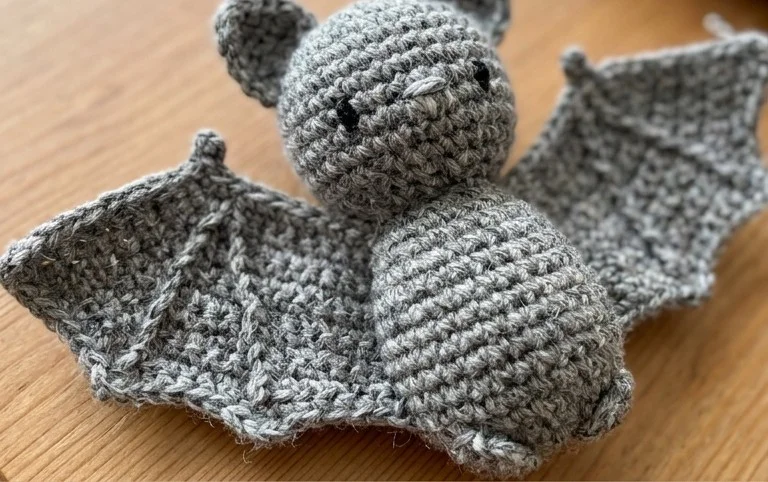
These small winged toys look great hanging from a curtain rod or tucked into a festive gift basket. Try using glow-in-the-dark yarn for the eyes if you want to give them an extra eerie personality for your home display. Sharing photos of your finished work on social media helps other makers see different color combinations, so feel free to tag your posts. Explore more free patterns on the blog to find your next afternoon project after you finish your collection of handmade night creatures.